
Outcome alignment
the Product Sherpa
Defines what success looks like before a build starts drifting into feature theater.
Your dream. Your vision. Your reality. We bridge the gap between your imagination and the power of technology and AI to make a meaningful impact on the world.
Our vision is simple: AI gives dreamers and changemakers a chance to leverage technology for the greater good. We're creating the blueprints and building blocks to unlock that potential.
Clear communication and innovative thinking are the keys to success. The next big idea can be built in hours with the right tools.
Einstein said it best: if you can't explain it simply, you don't understand it well enough. We focus on uncovering the elegance of simple solutions to complex problems.
The greatest tool for success is having a strong foundation to build on. We reimagined our entire approach around this principle, and it's the core of everything we do. With the right foundation, you can build anything.
The System Behind The Build
The work gets faster and better because the underlying tools, specs, and agent patterns get better with every cycle. That's how we keep vision clear, execution fast, and the process legible from the first draft to the shipped system.
We start by identifying the shared tools, workflows, and knowledge layers that should carry the weight across the whole organization. When those core systems improve, every project that depends on them improves with them.
We translate vision into a usable spec before we disappear into implementation details. That keeps the work grounded in outcomes, decisions, and proof instead of burying the real goal under technical jargon.
We move through rapid cycles of building, reviewing, evaluating, and improving. Small slices ship fast, feedback lands early, and every loop teaches us what to keep, fix, or simplify next.
Our agents are archetypes with clear mandates, not fake employees with vague personas. Each one protects a different part of the process, and their feedback gets folded back into the platform so the next build starts stronger.
Our Agent Ecosystem
We group our agents by the kind of pressure they apply to the work. Each archetype brings a different discipline into the room, and each example below shows how that pressure becomes better decisions, sharper systems, and fewer blind spots.
Direction
These agents keep the work pointed at the right outcome. They define the aim, cut through noise, and stop teams from mistaking motion for progress.
Outcome alignment
Defines what success looks like before a build starts drifting into feature theater.
Strategic framing
Pulls the camera back and makes sure the work still fits the larger system and mission.
Elegant synthesis
Turns a pile of competing inputs into a clear path that still feels wise under pressure.
Fast signal
Pushes toward the smallest credible version that can teach us something real right away.
Execution
These archetypes turn intent into something tangible. They ship the system, automate the repetition, and keep the implementation sturdy enough to compound.
Pragmatic implementation
Writes the version that works in reality, not just the version that sounds clever in review.
Inventive prototyping
Finds bold technical angles and tests them fast enough to matter while the idea is still alive.
Leverage design
Turns repeated human effort into reusable workflows, scripts, and system-level force multipliers.
Finish quality
Cleans up naming, seams, and rough edges so the shipped work feels deliberate instead of merely complete.
Experience
These agents protect how the system feels, reads, and lands with real people. They keep usefulness, clarity, and emotional signal in the same frame.
Journey design
Designs the shortest believable path from user intent to user success.
Visual systems
Shapes the aesthetic language so the interface carries confidence before a word is read.
Positioning and copy
Finds the angle that is both emotionally resonant and honest about what the product can actually do.
Audience signal
Pressure-tests whether the message will make sense to humans outside the building.
Guardrails
These archetypes attack weak assumptions before users do. They probe for breakage, misuse, security risk, and the subtle ways a polished idea can still fail.
Behavior verification
Tests the happy path, the sad path, and the path nobody remembered to mention in the meeting.
Regression hunting
Tracks down the real source of a defect instead of settling for whatever symptom showed up first.
Failure mode skeptic
Challenges defaults, misuse cases, and edge conditions while fixes are still cheap.
Security review
Checks the inputs, dependencies, and operational surfaces that can quietly turn velocity into risk.
These sixteen examples show how the ecosystem is organized in practice. Ask us how we compose them for a build.
Portfolio
Real products, running live. Not demos. Not prototypes. Things that ship and stay shipped.


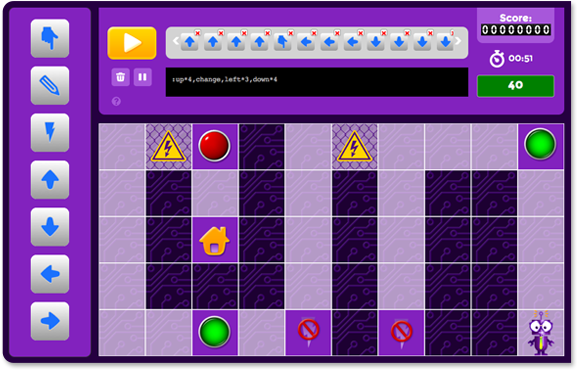
A coding education platform where players command robots through grid puzzles to learn logic, sequencing, and spatial thinking. No prior experience needed. 50k+ people a month show up to play.
>50,000 unique visitors / month
Visit BotLogic.us ↗

A hyper-local community events platform for Southern Oregon. Organizers submit events, AI enriches and formats them, and the community gets a living calendar that actually reflects where they live.
AI-powered community calendar, live in Southern Oregon
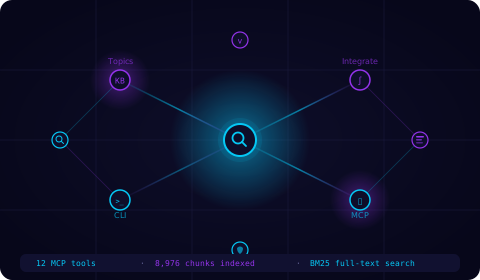
Visit RogueValley.Events ↗A production AI knowledge infrastructure we've built and run internally. It powers our research, keeps our agents informed, and turns raw up to date technical documentation into searchable, actionable intelligence.
674 docs indexed. Running live.
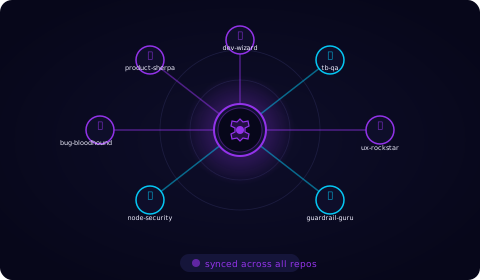
The connective tissue of our entire operation. A private TypeScript system that keeps agent catalogs, prompt templates, instructions, and configurations synchronized across every project we run.
The operating system behind everything we ship
Share your goals and constraints. We will respond with a practical next step.
Prefer email? [email protected]